$2M Per Year in Stadium Delivery Chargebacks
Third-party delivery expands reach — but at a cost. Here's what the numbers show across stadium F&B, merch, and will-call delivery operations.

1% of Gross Revenue Budgeted Just for Chargebacks
For a $200M revenue venue, that 1% gross sales chargeback budget translates to roughly $2M in annual exposure. Delivery disputes, merch errors, and will-call ticket issues are the primary drivers — and the liability sits with the venue, not the delivery platform.
The Venue Takes the Hit. The Platform Doesn't.
Third-party delivery adds an intermediary between the venue and the guest. When F&B arrives cold, merch ships with errors, or will-call tickets fail — the dispute lands on the venue first. The platform's involvement ends at the handoff.
- Late or cold F&B delivery — 60% of all disputes
- Merch size and color errors — 5–8% of disputed sales
- Will-call ticket delivery failures — 2–3% fraud and chargeback rate
- Delivery dispute liability running 2.5–3% of revenue

Chargebacks Are Up 31% Year Over Year
The trend is moving in the wrong direction. As delivery volume grows, chargeback exposure grows with it — and each disputed transaction carries costs beyond the refund itself: reputation damage, administrative overhead, and the operational friction of dispute resolution.
Controlling Delivery Internally Changes the Risk Profile
Venues that operate delivery in-house or through a controlled network reduce pass-through risk, ensure order quality and timing, and avoid third-party fees and chargeback exposure. The revenue stays in-house. So does the guest relationship.
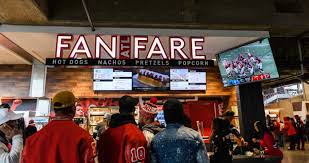
Delivery isn't just a convenience channel. It's a risk management challenge.
The $2M figure is the budgeted exposure. The unbudgeted cost — negative reviews, lost repeat business, and the operational overhead of managing disputes — compounds on top of it.
Want to understand your delivery chargeback exposure?
We work with stadium and arena operators to assess where third-party delivery is creating revenue and reputation risk. No pitch — just a conversation grounded in your operation.
You're receiving this because you're connected with Seamlessly. No hard feelings if it's not for you — unsubscribe here.