The Data Behind Lost Bar & Restaurant Revenue
Guests rarely leave bars and restaurants because of pricing. They leave because of wait times. Here's what the data shows about ordering friction — and the revenue it costs operators every single service.
.jpeg)
Millions Left on the Table Every Week
Industry estimates show a significant share of potential revenue is lost at bars and restaurants every week — not due to lack of demand, but because guests abandon slow or understaffed service before completing a purchase.
The 8-Minute Threshold
When guests at a bar or restaurant perceive a wait of approximately 8 minutes, many choose not to order at all. They scan the room for a shorter option — and if they don't see one, the purchase disappears entirely.
Hundreds of guests making the same decision every week = significant unrealized revenue.
Common guest behaviors when service looks slow:
- Moving to a less busy section of the bar or a different venue nearby
- Delaying the order and not returning to the bar
- Deciding the wait simply isn't worth it and leaving earlier than planned
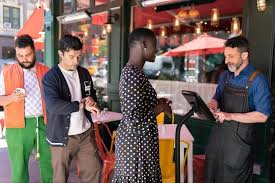
Wait Time Directly Impacts Revenue
When ordering friction drops and perceived wait times fall below 6 minutes, bar and restaurant operators typically see measurable shifts across the entire transaction funnel — across both food and drink.
- Higher order completion rates per guest visit
- Increased reorder frequency throughout the night
- Higher average order values per table or seat
Why It Happens
Bar and restaurant guests make fast, emotional decisions. It's not calculus; it's simple math. If ordering feels easy, they buy more and stay longer. If ordering feels slow, they skip rounds, order less, or leave earlier than planned.
.jpeg)
Bar and restaurant revenue isn't lost at the menu. It's lost at the friction point.
Foot traffic, menu pricing, and product quality all matter — but they're not the primary variable here. Time friction is.
This isn't a theory. It's a pattern visible across bars, restaurants, and high-volume hospitality environments. The variable that changes outcomes most reliably is how long a guest believes they'll have to wait.
Curious what this looks like at your bar or restaurant?
We work with bar and restaurant operators to understand where ordering friction is costing revenue. No pitch — just a conversation grounded in your numbers.
You're receiving this because you're connected with Seamlessly. No hard feelings if it's not for you — unsubscribe here.